
Follow the money: Ottawa promised to cut consultants. Its audited books show $19 billion in outside help.
The government has promised to lean less on outside consultants. Its audited 2025-26 books, released November 6, show $19.2 billion spent on external professional and special services — close to the $19.5 billion of the year before. The 20 per cent cut it points to applies to a much smaller slice of that spending.
Rednwhite

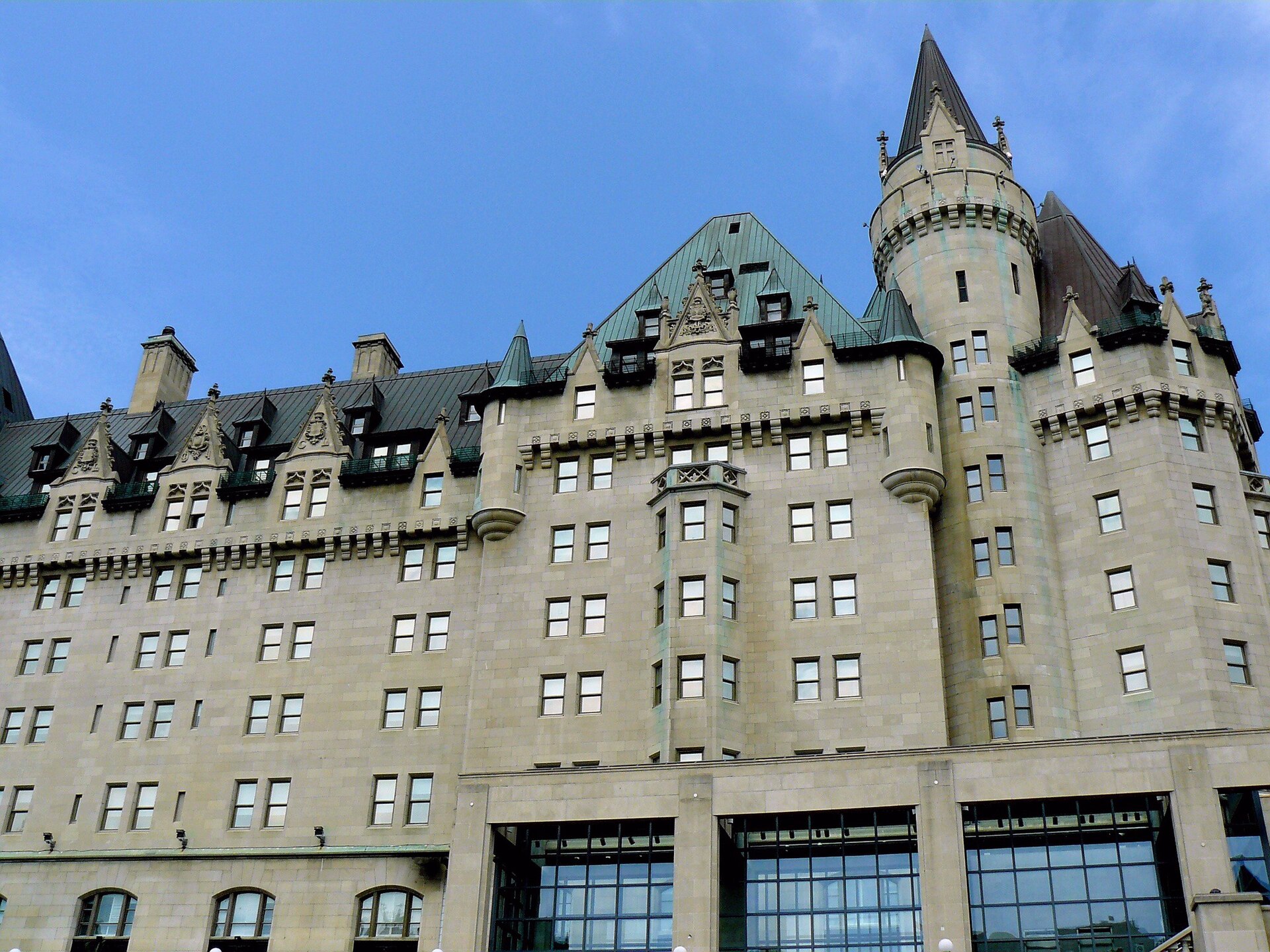
The federal government has said repeatedly that it wants to rely less on outside consultants. The audited books for last year, released in Ottawa on November 6, show how big that habit still is.
The Public Accounts of Canada 2026 cover the 2025-26 fiscal year. The consolidated financial statements in Volume I are audited by the Auditor General of Canada each year. That is what makes one line in them worth a close look.
The audited books show Ottawa spent $22.8 billion on professional and special services for the year. Management consulting, the government notes, made up less than 2 per cent of that total. The Canadian Press reported that almost $19.2 billion of the professional-services spending went to external help — contractors outside the public service.
The numbers barely moved
That $19.2 billion was almost as much as the $19.5 billion the government spent the year before. On the wider professional-services line, the total edged down only slightly, from $23.1 billion a year earlier to $22.8 billion last year. After repeated promises to spend less on outside help, the audited result is that spending held about where it was.
The organizations Ottawa paid last year ranged from Bell Canada and KPMG to Microsoft Canada Inc. and the City of Toronto.
What the government promised to do
Prime Minister Mark Carney promised in his election platform to significantly reduce the government’s reliance on external consultants, while building up the public service’s ability to hire expertise in-house.
The spring economic update last April proposed cutting spending on external management and other consulting services by 20 per cent over three years, saving $450 million in 2027-28 and $900 million a year from 2028-29. Budget 2026 says that reduction is already under way, with external management and other consulting services cut by 20 per cent over three years for $0.9 billion in annual savings by 2028-29. The budget also describes a broader Comprehensive Expenditure Review, which it says will save $13 billion a year by 2028-29 and $60 billion in total savings and revenues over five years.
The government’s own projections build toward that figure gradually: $9 billion in savings in 2026-27, $10 billion in 2027-28 and $13 billion in 2028-29, with the deepest cuts arriving last.
A cut aimed at a small slice
Here is the catch, and it is a matter of arithmetic. The Public Accounts say management consulting was less than 2 per cent of the $22.8 billion professional-services total. A broader label — management and other consulting services — accounted for $5 billion in 2024-25, out of $23.1 billion in professional and special services that year. The 20 per cent cut applies to that narrower consulting category, not to the whole professional-services bill.
The unions that represent public servants made the point when the plan was unveiled. The Canadian Association of Professional Employees said the cut comes only out of the $5 billion management-consulting tranche and is “just a fraction” of the $23.1 billion consulting piece. The Professional Institute of the Public Service of Canada said outsourcing spending “remains at record highs.” It said tens of billions of dollars go to private consultants while in-house workers — wildfire analysts, safety engineers, food inspectors — are being let go.
A 20 per cent cut to a $5 billion category, phased in over three years, does not move the roughly $19 billion the government spends on outside help in a single year by very much. That is the tension the audited numbers lay bare.
The government’s case, fairly put
None of this means the spending is wasted, or that the promise is empty. The government’s answer, in effect, is timing: the review is still ramping up, and the largest savings are scheduled for later years.
It can also point to scale. Total federal spending reached $565.7 billion in 2025-26, up $18.4 billion, or 3.4 per cent, from the year before, so $19 billion on outside help is a real sum but a small share of the whole. And a budget is a plan: the savings still have to be found and recorded, year by year, in future Public Accounts.
The honest reading sits in between. The government is doing something, but what it is doing is narrow, while the big number — the outside help Canadians actually pay for — has barely changed from the year before.
Questions worth asking
A few questions follow straight from the audited numbers:
-
How much of the $19.2 billion is the “management and other consulting” the cut targets, and how much sits outside it?
- Will the promised savings actually arrive? The biggest reductions are not due until 2028-29; what stops the same work from reappearing under a different budget line?
- Is the in-house capacity the plan promised being built? Carney tied cutting consultants to strengthening the public service’s own expertise, and that side of the ledger is harder to see.
Related: Federal report card · Federal budget directory
Sources
- Treasury Board of Canada Secretariat — Public Accounts of Canada 2026 — November 6, 2026
- The Canadian Press, via BNN Bloomberg — “Mark Carney: Feds spent $19B on consultants last year” — November 9, 2026
- Department of Finance Canada — Budget 2026, Chapter 6: A more efficient government
- CP24 — “Spring Economic Update: Feds cutting external consultant spending” — April 28, 2026